How Much Sodium Is in an Egg? Plus 20 Common Breakfast Foods
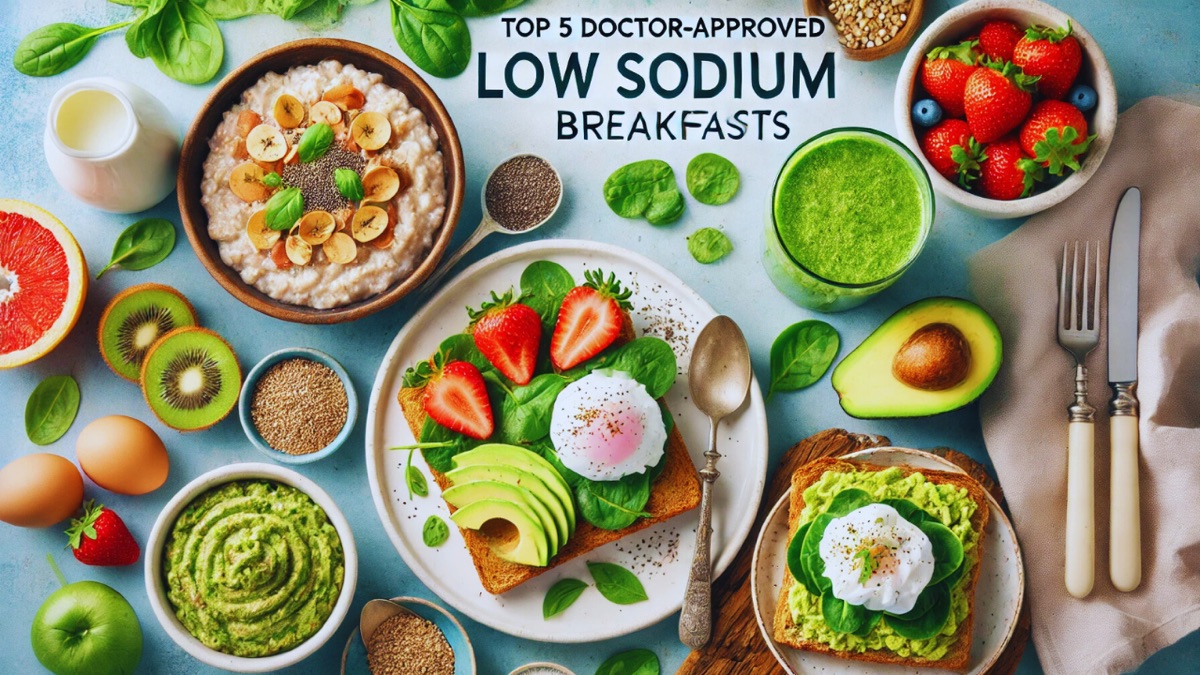
One large egg contains about 71 mg of sodium. That is roughly 3% of the 2,300 mg daily limit recommended by the FDA, which makes eggs a naturally low-sodium food. Two eggs come to about 142 mg, and three to about 213 mg - all before anything is added in the pan.
The sodium in a breakfast rarely comes from the eggs themselves. It comes from what goes with them. Below is what is actually in the most common breakfast foods, and which ones quietly account for most of a morning's sodium.
How Much Sodium Is in an Egg?
Almost all of an egg's sodium sits in the white, not the yolk.
| Serving | Sodium (approx.) |
|---|---|
| 1 large whole egg (50 g) | 71 mg |
| 1 large egg white (33 g) | 55 mg |
| 1 large egg yolk (17 g) | 8 mg |
| 2 large eggs | 142 mg |
| 3 large eggs | 213 mg |
| 4 large eggs | 284 mg |
Values are from USDA FoodData Central and refer to plain eggs with nothing added.
Are Eggs Low in Sodium?
Yes. At about 71 mg per egg, eggs are considered a low-sodium food. The FDA defines "low sodium" as 140 mg or less per serving, so a single egg sits comfortably below that threshold, and even a two-egg serving stays just above it.
For comparison, three slices of bacon contain roughly six times the sodium of an entire three-egg omelette.
Why Scrambled Eggs Are Usually Higher
Plain scrambled eggs are still low in sodium, but the number climbs quickly with each addition:
- 2 scrambled eggs, plain: about 142 mg
- Plus a pinch of table salt (1/8 tsp): add about 290 mg
- Plus 1 tbsp salted butter: add about 90 mg
- Plus 1 oz cheddar cheese: add about 180 mg
- Plus 2 slices of bacon: add about 300 mg
A two-egg scramble that started at 142 mg can land near 1,000 mg once salt, butter, cheese, and bacon are in the pan. The eggs are not the problem - the salt shaker and the sides are.
Sodium in Common Breakfast Foods
| Food | Serving | Sodium (approx.) |
|---|---|---|
| Banana | 1 medium | 1 mg |
| Fresh berries | 1 cup | 2 mg |
| Unsalted almonds | 1 oz | 1 mg |
| Rolled oats, dry | 1/2 cup | 2 mg |
| Unsalted butter | 1 tbsp | 2 mg |
| Avocado | 1 medium | 14 mg |
| Plain Greek yogurt | 6 oz | 60 mg |
| Large egg | 1 egg | 71 mg |
| Salted butter | 1 tbsp | 90 mg |
| Milk | 1 cup | 105 mg |
| Whole wheat bread | 1 slice | 145 mg |
| Peanut butter | 2 tbsp | 150 mg |
| Cheddar cheese | 1 oz | 180 mg |
| Corn flakes cereal | 1 cup | 200 mg |
| Instant flavored oatmeal | 1 packet | 250 mg |
| Table salt | 1/8 tsp | 290 mg |
| Breakfast sausage patty | 1 patty | 350 mg |
| Cottage cheese | 1/2 cup | 400 mg |
| Bacon | 3 slices | 470 mg |
| Smoked salmon | 3 oz | 600 mg |
Sodium content varies by brand, especially for cereal, bread, cottage cheese, and cured meats. Packaged foods can differ by several hundred milligrams between brands, so the label is always more accurate than an average.
Which Breakfast Foods Are Naturally Low in Sodium?
These come in under about 20 mg per serving with nothing added:
- Fresh fruit - bananas, berries, apples, oranges, melon
- Plain rolled or steel-cut oats
- Unsalted nuts and seeds
- Avocado
- Unsalted butter
- Plain brewed coffee and tea
Eggs, plain yogurt, and milk sit slightly higher but still qualify as low-sodium choices for most people.
Which Breakfast Foods Are Highest in Sodium?
If you are trying to bring a morning's sodium down, these four account for most of it:
- Cured and processed meats - bacon, sausage, ham, and smoked salmon are by far the largest single contributors
- Bread and baked goods - individually modest, but two slices of toast plus a biscuit adds up fast
- Cheese and cottage cheese - cottage cheese in particular is much higher than most people expect
- Boxed cereal and instant oatmeal packets - flavored instant varieties carry substantially more sodium than plain oats
How Much Sodium Per Day Is Recommended?
- FDA and Dietary Guidelines for Americans: less than 2,300 mg per day for adults
- American Heart Association ideal limit: 1,500 mg per day, particularly for people with high blood pressure
Spread across three meals, a 2,300 mg budget works out to roughly 700-800 mg per meal. A plain egg breakfast uses a small fraction of that. A bacon, sausage, and biscuit breakfast can use most of a day's worth in one sitting.
Building a Lower-Sodium Breakfast
A few substitutions do most of the work:
- Season with black pepper, paprika, herbs, garlic powder, or a squeeze of lemon instead of salt
- Choose plain oats over flavored instant packets
- Swap cured breakfast meats for eggs, unsalted nuts, or avocado
- Use unsalted butter for cooking
- Rinse canned beans and vegetables before using them
- Check labels on bread and cereal - the range between brands is wide
For full meal ideas built around these principles, see our guide to low sodium breakfast options.
Frequently Asked Questions
How much sodium is in one egg?
One large egg contains about 71 mg of sodium, or roughly 3% of the 2,300 mg daily limit. Most of it is in the white rather than the yolk.
Do eggs have salt in them naturally?
Eggs contain naturally occurring sodium, but no added salt. The approximately 71 mg in a large egg is inherent to the egg itself. Any salt beyond that comes from cooking or seasoning.
Are eggs high in sodium?
No. At about 71 mg per egg, eggs are low in sodium. The FDA threshold for a "low sodium" food is 140 mg or less per serving.
How much sodium is in scrambled eggs?
Two plain scrambled eggs contain about 142 mg of sodium. Adding salt, butter, or cheese can raise that to 500 mg or more, so the preparation matters more than the eggs.
Is oatmeal low in sodium?
Plain rolled or steel-cut oats are very low in sodium, at about 2 mg per half-cup dry. Flavored instant oatmeal packets are much higher, often around 250 mg each.
Does yogurt have salt in it?
Plain Greek yogurt contains about 60 mg of sodium per 6 oz serving, which is naturally occurring rather than added. Flavored yogurts are usually similar in sodium but higher in sugar.
Is there sodium in cheese?
Yes, and often more than expected. An ounce of cheddar has about 180 mg, and a half-cup of cottage cheese around 400 mg, making cottage cheese one of the highest-sodium items in a typical breakfast.
What is the lowest sodium breakfast?
Plain oats with fresh fruit and unsalted nuts is among the lowest, typically under 10 mg total. Eggs cooked without added salt, paired with fruit, are also well under 200 mg.
Sodium values are approximate and drawn from USDA FoodData Central. Packaged and restaurant foods vary by brand and preparation - check labels for exact amounts. This article is general information, not medical advice. If you are managing a sodium-restricted diet for blood pressure, kidney, or heart conditions, follow the guidance of your doctor or a registered dietitian.
Looking for a place to eat in the Triangle? Pineapple Sol serves made-to-order breakfast all day in Cary, NC, so you can ask for your eggs cooked without added salt. See the breakfast menu or full café menu.